
"diseases and insect pests"
400 article(s) found

Characteristics of Tanzanian coffee flavor of Tanzania coffee
Due to political instability and rampant diseases and insect pests, the coffee industry in Tanzania has been damaged, leading to a decline in the overall level of coffee and instability in quality, which in turn lead to lower prices, which are usually the result of a further decline in the coffee industry. What's more, it is estimated that more than 12% of the Arabica coffee grown in northern Tanzania from 1969 to 1985 has gone.

What are the types and characteristics of organic coffee?
Professional coffee knowledge exchange more coffee bean information please pay attention to the coffee workshop (Wechat official account cafe_style) Organic coffee in the cultivation does not use any insecticides and other chemicals to treat pests or cultivation problems, but the use of natural methods, such as the use of natural composting, hedgerow, pruning and other methods to maintain the growth of coffee trees, in terms of pest control

Coffee tree types Arabica coffee trees
At present, the best coffee beans in the world mainly come from Arabica, Robusta and Liberia, which are mainly proud of the coffee trees in these three places. Arabica coffee tree origin for Ethiopia, its coffee bean production accounts for 70% of the world's production; the world famous blue mountain coffee, mocha coffee, etc., almost all Arabica species. Arabica coffee.
Coffee production in Indonesia has dropped sharply!
In recent years, coffee production in Indonesia has been challenged by climate change and an increase in farm diseases and insect pests. The Foreign Agriculture Service of the United States Department of Agriculture predicts that Indonesian coffee exports will fall by 32% in 2023 to 24 compared with the previous year. Previously, excessive rainfall disrupted the development of coffee fruit, and coffee production dropped sharply.

Introduction of Berman Manor in the Central Mountain area of Nyeri
The high concentration of phosphoric acid soil in Kenya gives birth to the special sour spirit of Kenyan beans, which is different from bourbon beans in Central and South America. This Kenyan native species was created by Scott Laboratories in 1930, known as SL for short. Agronomists wanted to find a kind of bourbon with high yield and resistance to diseases and insect pests, and obtained SL28 through experiments. SL28 owns France as a genetic variant.

What's the flavor of Kenyan coffee? Kenya is suitable for cooking?
Professional coffee knowledge exchange more coffee bean information Please pay attention to Coffee Workshop (Wechat official account cafe_style) Kenya, located in East Africa, is one of the major coffee producing countries. More than 6 million people in the country are engaged in the coffee industry, mostly in the form of a combination of small farmers and cooperatives. Coffee trees in Kenya are mostly planted at 1400-2000 meters above sea level, and the growth area includes Ruiri.

Basic knowledge of coffee Common sense of the definition of fine coffee 2
With regard to the cultivation of crops, seed selection is a very important factor. Every year, agronomists are studying higher quality and higher yield varieties of wheat, soybeans, and corn, as well as how to make apples more delicious, beautiful and resistant to diseases and insect pests. In fact, the same is true of coffee. The quality and taste of coffee are determined by the quality of the varieties. Coffee trees are generally divided into three categories in the industry: Arabica species
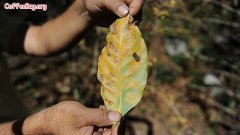
What is the disease of coffee planting that harms coffee leaf rust?
In the past 20 to 25 years, there has been a strong global demand for raw coffee beans. In order to increase production, many coffee farmers in Central America have abandoned the traditional shade planting technique and used sun exposure to grow coffee. Due to the loss of the protective effect of the crown and the reduction of biodiversity, the control of diseases and insect pests can only be more dependent on the use of pesticides and fungicides, which not only destroys the original complex health.

Professional barista-analyze the types and origin of various coffee beans
If you want to have an in-depth understanding of coffee culture, you should start from the root of coffee, that is, coffee beans and their origin, different types and regions will give birth to different characteristics of coffee beans, and the editor will learn coffee knowledge and be a coffee expert. The earliest Arab way to eat coffee was to chew the whole fruit (Coffee Cherry) to absorb its juice. And then they'll grind it up.

What is the quality of Yunnan small grain coffee? Explore the real situation behind the quality of coffee in Yunnan
For the exchange of professional baristas, please follow the coffee workshop (Wechat official account cafe_style). In January 2017, we lived in the processing plant we cooperated with in Dehong, Yunnan for half a month. It's a relatively new first-hand material. Let's talk about it in a nutshell. This year, our custom-made beans are still being fumigated and shelled. When we get the big goods later, we can add some of the flavor and final results and more details. Yunnan small grain coffee

Species of coffee trees in Arabica, Robusta and Liberia
Types of coffee trees at present, the best quality coffee beans in the world mainly come from Arabica, Robusta and Liberia, which are mainly proud of coffee trees in the three places. 1. The origin of Arabica coffee tree is Ethiopia, and its coffee bean production accounts for 70% of the world's output. The world-famous Blue Mountain Garffin, Mocha Coffee and so on are almost all Arabica species. Arabica coffee

Fine Coffee study the types of Coffee trees
At present, the best quality coffee beans in the world mainly come from Arabica, Robusta and Liberia, which are mainly proud of the coffee trees in the three places. 1. The origin of Arabica coffee tree is Ethiopia, and its coffee bean production accounts for 70% of the world's output. The world-famous Blue Mountain Garffin, Mocha Coffee and so on are almost all Arabica species. Arabica coffee trees are suitable for growing in

Three kinds of coffee beans with the best quality in the world
1. The origin of Arabica coffee tree is Ethiopia, and its coffee bean production accounts for 70% of the world's output. The world-famous Blue Mountain Garffin, Mocha Coffee and so on are almost all Arabica species. Arabica coffee trees are suitable for growing in high mountains with large temperature difference between day and night, as well as low humidity and well-drained soil; the ideal altitude is 2000 meters, the higher the altitude, the better the quality.

Introduction to the Flavor description treatment method of Robastian Coffee Bean Variety characteristics
Boutique coffee beans are originated in the Congo, which accounts for 20% 30% of the world's output. It is suitable for lowlands below 500 meters. It has strong adaptability to the outside world, can resist bad climate, resist diseases and insect pests, and can be allowed to grow in the wild. It is a kind of coffee tree that is easy to cultivate. It is generally used to make instant coffee Robasta coffee tree originating in the Congo of Africa.
What is organic coffee? What are the characteristics of organic coffee cultivation technology?
Organic coffee is coffee that does not use synthetic pesticides, herbicides or chemical fertilizers during its growth. These ways of growing coffee are conducive to maintaining a healthy environment and keeping the groundwater pure. After the coffee is harvested, be sure to use an organically certified roaster to process the coffee beans. Organic coffee is made of beans grown in the shade of trees.
A brief description of the species and origin of the most complete coffee trees
A summary of the types of coffee trees friends often say, "I often hear Arabica beans on the market." "what's wrong with this sentence? People who know coffee should be able to quickly tell what the problem is, but as far as the Taiwan market is concerned, the general public's understanding of coffee is not mature because they have not studied zoology or botany. What is wrong with this sentence?.

What is Organic Coffee_Introduction to Organic Coffee Bean Types_Price Analysis of Organic Coffee Bean
Professional coffee knowledge exchange More coffee bean information Please pay attention to coffee workshop (Weixin Official Accounts cafe_style) Organic coffee does not use any pesticides and other chemicals to treat pests or cultivation problems, but uses natural methods, such as natural composting, fencing, pruning and other methods to maintain the growth of coffee trees. In terms of pest control, I

How about Bolivian Java coffee? are Bolivian Java coffee beans Arabica coffee?
Professional coffee knowledge exchange more coffee bean information please follow the coffee workshop (Wechat official account cafe_style) Product name: Bolivia Java Arabica country: Indonesia production area: Java Grade: G1 treatment: washing varieties: Arabica in coffee-producing countries, Indonesia is a very noteworthy one. Indonesia is an island country in the Indian Ocean.

World Coffee Manor: an Analysis of the species and Origin of Coffee Bean in each Common Coffee Bean
If you want to have an in-depth understanding of coffee culture, you should start from the root of coffee, that is, coffee beans and their origin, different types and regions will give birth to different characteristics of coffee beans, and the editor will learn coffee knowledge and be a coffee expert. The earliest Arab way to eat coffee was to chew the whole fruit (Coffee Cherry) to absorb its juice. And then they'll grind it up.